
Reusable vs. Disposable Containment: The Smart Choice for Restoration and Construction Professionals
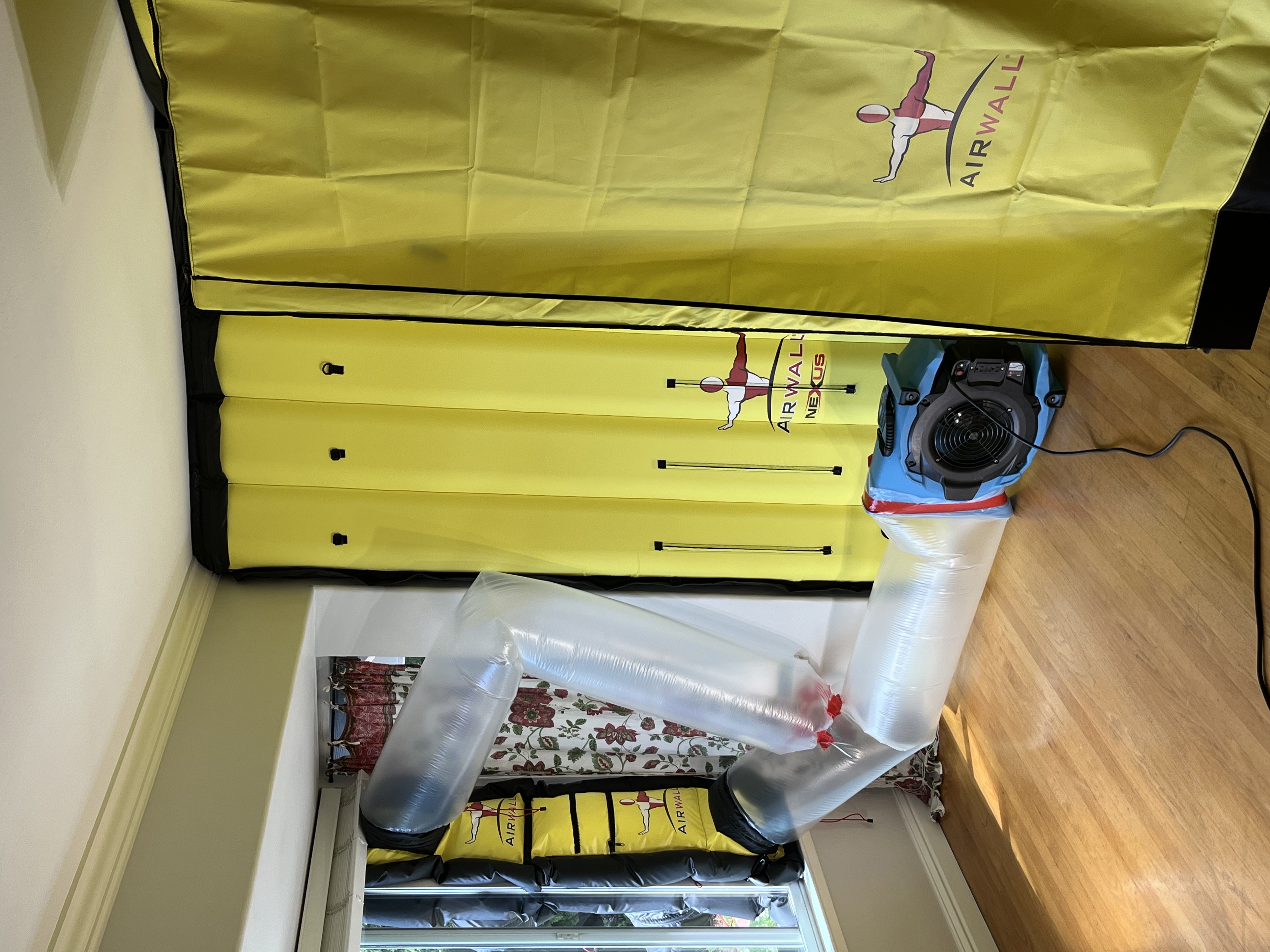
If you've worked in restoration or construction long enough, you know the routine: plastic sheeting, rolls of tape, constant repairs, and cleanup that takes almost as long as the setup. Disposable containment has been the default for decades, but that doesn't mean it's the best solution for your jobsite.
The truth is, traditional plastic and tape containment often creates more problems than it solves. It slows down project timelines, fails when you need it most, and drains your budget one roll at a time.
That's exactly why reusable containment systems like AIRWALL® are changing the way restoration and construction professionals approach jobsite control. In this post, we'll break down the real differences between disposable and reusable containment—and show you why making the switch isn't just smart, it's profitable.
The Hidden Costs of Disposable Containment
Let's start with what most contractors already know but don't always calculate: disposable containment is expensive.
Not just in materials, but in time, labor, and the constant cycle of buying, installing, repairing, and throwing away. Every restoration project or construction job that requires containment means:
- Purchasing new plastic sheeting and tape
- Spending labor hours cutting, measuring, and taping barriers
- Re-taping tears and gaps throughout the project
- Dealing with sagging plastic that compromises containment integrity
- Cleaning up and disposing of materials at the end of every job
What looks like a budget-friendly option upfront becomes a recurring expense that adds up fast—especially for restoration companies and construction teams running multiple jobs per month.
Why Reusable Containment Systems Save Time and Money
Reusable containment flips that equation. Instead of buying and disposing of materials for every project, you invest once in a system that works job after job.
AIRWALL reusable containment systems are built specifically for the demands of restoration and construction environments. Our systems help crews:
- Set up containment faster: AIRWALL deploys quickly without the need for constant measuring, cutting, and taping. Speed matters when you're trying to minimize downtime and move into the next phase of work.
- Reduce mid-project failures: Disposable plastic tears, tape fails, and gaps appear. Reusable containment holds consistently, which means fewer interruptions and repairs during critical work.
- Eliminate recurring material costs: Once you own an AIRWALL system, you're done buying plastic and tape. The containment solution you use today is the same one you'll use on your next ten projects.
- Improve project turnover: Faster setup and teardown means your team spends less time on containment and more time on billable work.
For construction professionals managing tight schedules and restoration teams responding to emergencies, those time savings directly impact profitability.
Reusable Containment Supports Better Jobsite Safety
Containment isn't just about keeping dust and debris out of clean areas—it's about protecting everyone on the jobsite and maintaining control over the work environment.
During restoration work, proper containment is crucial for preventing cross-contamination. Whether you're dealing with water damage, mold remediation, or demolition, the barrier you build determines how well you control airborne particles, moisture, and contaminants.
Disposable containment can fail when you need it most. A torn sheet of plastic or a strip of tape that won't hold creates gaps that allow contaminants to spread—putting occupants, workers, and surrounding spaces at risk.
AIRWALL reusable containment systems are engineered to seal off work areas and maintain differential air pressure without relying on physical attachments to the building. Our containment solutions use air pressure, compression, and friction to create a stable barrier that supports negative pressure environments and controlled airflow—exactly what restoration and construction teams need for professional-grade containment.
The Professional Difference: How Your Containment Reflects on Your Business
Here's something that doesn't always show up in a cost analysis but matters just as much: presentation.
When clients, property managers, or homeowners walk onto a jobsite, the first thing they see is your containment setup. A clean, stable, professional barrier builds confidence. A sagging wall of plastic held together with duct tape does the opposite.
Reusable containment systems like AIRWALL create a more professional work environment. They look intentional, they hold consistently, and they signal that your team takes jobsite control seriously. For construction companies bidding on commercial projects or restoration professionals working in occupied spaces, that perception matters.
A professional containment setup reflects positively on your business—and can be the difference between a one-time client and a long-term relationship.
Where Reusable Containment Makes the Biggest Impact
Reusable containment isn't just for large-scale restoration projects. It's a smart solution for any construction or restoration scenario where speed, safety, and cost control matter, including:
- Water damage restoration: Quick containment setup helps prevent secondary damage and supports faster drying and remediation.
- Mold remediation: Maintaining negative pressure containment is critical for preventing mold spores from spreading to unaffected areas.
- Demolition and renovation: Dust control during demo protects surrounding spaces and keeps jobsites cleaner and safer.
- Asbestos and lead abatement: High-stakes remediation work requires containment that holds under pressure—every time.
- Home remodels and construction projects: Homeowners appreciate contractors who minimize mess and maintain a clean, controlled workspace.
No matter the application, reusable containment supports better outcomes because it's built to perform consistently across projects.
Making the Switch: What to Expect
If you're used to disposable containment, switching to a reusable system might feel like a bigger upfront investment. But the ROI becomes clear fast.
Most restoration and construction professionals who switch to AIRWALL report:
- Faster project timelines due to reduced setup and teardown time
- Fewer mid-project interruptions caused by containment failures
- Lower long-term costs as recurring material purchases drop to zero
- Improved team morale because crews aren't spending hours fighting with plastic and tape
And because AIRWALL systems are reusable, the value compounds with every job. The containment solution you use today works just as well six months—or six years—from now.
If you're ready to see how reusable containment can transform your jobsite efficiency, explore our full line of containment solutions at https://www.zeppelinguys.com/store.
Final Thoughts: Reusable Containment is the Smarter Investment
Disposable containment has been the industry standard for a long time—but that doesn't mean it's the best option. When you compare the recurring costs, labor hours, and failure rates of plastic and tape to the speed, reliability, and long-term savings of reusable containment, the choice becomes clear.
Reusable containment systems like AIRWALL give restoration and construction professionals a better way to work. Faster setup means faster project progress. Consistent performance means fewer headaches and safer jobsites. And long-term savings mean more profitability without cutting corners.
When your containment works as hard as your team does, everything else gets easier.
Ready to upgrade your containment approach? Visit https://www.zeppelinguys.com/store to explore AIRWALL reusable containment systems built for the demands of real-world restoration and construction work.


.png)