
What Homeowners Should Know When Hiring a Restoration Contractor
When disaster strikes your home—whether it's water damage from a burst pipe, mold discovery in the basement, or fire and smoke damage—the last thing you want is to make the wrong choice when hiring a restoration company. The contractor you choose will be working in your home, handling your belongings, and ultimately determining how well your property recovers.
But how do you know if you're hiring the right restoration professional? What questions should you ask? And what signs separate a trustworthy, professional restoration contractor from one that might cut corners?
In this guide, we'll walk you through exactly what to look for when hiring a restoration company—from credentials and equipment to the containment practices that protect your home during the restoration process.
Why Choosing the Right Restoration Contractor Matters
Home restoration isn't like hiring someone to paint a room or install new flooring. When you're dealing with water damage, mold remediation, or structural repairs, the stakes are higher. Poor restoration work can lead to:
- Ongoing health risks: Improper mold remediation or incomplete water extraction can create long-term air quality issues
- Hidden damage: Contractors who rush through the job may miss secondary damage that worsens over time
- Cross-contamination: Without proper containment, contaminants can spread from the affected area to clean parts of your home
- Insurance complications: Incomplete documentation or substandard work can affect your insurance claim
The restoration contractor you hire should treat your home with the same care and professionalism they'd expect for their own. That starts with understanding what makes a restoration company truly qualified for the job.
Essential Qualifications to Look For
When you're comparing restoration companies, start with the basics. A reputable restoration contractor should have:
Proper Licensing and Insurance
Every restoration professional working in your home should be properly licensed for your state and carry adequate insurance coverage. This protects you from liability if something goes wrong during the restoration process. Don't hesitate to ask for proof of insurance and verify that it's current.
Industry Certifications
Look for certifications from recognized organizations like the Institute of Inspection, Cleaning and Restoration Certification (IICRC). These certifications indicate that restoration professionals have received formal training in water damage restoration, mold remediation, fire and smoke restoration, and other specialized services.
Experience with Your Specific Issue
Not all restoration work is the same. A contractor experienced in fire damage restoration may not be the best choice for mold remediation. Ask directly about their experience with your specific situation—whether that's home water damage, structural drying, sewage cleanup, or another restoration challenge.
Local References and Reviews
A restoration company with a strong local reputation is more likely to deliver quality work. Check online reviews, ask for references from recent projects, and don't be afraid to follow up with past clients about their experience.
Red Flags: Warning Signs of a Subpar Restoration Contractor
Just as important as knowing what to look for is recognizing the warning signs that a restoration company might not be the right fit:
- Pressure tactics: Legitimate restoration contractors don't use high-pressure sales tactics or demand immediate decisions without giving you time to review contracts
- Unusually low estimates: If one bid comes in significantly lower than others, it may indicate the contractor plans to cut corners or use substandard materials
- Lack of documentation: Professional restoration work requires detailed documentation for insurance purposes. If a contractor seems casual about paperwork, that's a red flag
- No clear containment plan: Restoration work that doesn't include proper containment risks spreading contaminants throughout your home
- Vague timeline or scope of work: A professional restoration contractor should be able to clearly explain what work will be done, how long it will take, and what you can expect during the process
The Importance of Professional Containment in Restoration Work
Here's something many homeowners don't think to ask about—but should: How will the contractor contain the work area to protect the rest of your home?
Containment is one of the most critical aspects of any restoration project. Whether you're dealing with mold remediation, water damage restoration, demolition, or reconstruction, proper containment prevents contaminants, dust, moisture, and debris from spreading to unaffected areas of your home.
Traditional containment methods often involve plastic sheeting and tape—materials that can tear, sag, and fail during the restoration process. When containment fails, the problem you hired the contractor to fix can actually get worse.
Professional restoration contractors use advanced containment systems that create a true barrier between the work zone and your living spaces. These systems help:
- Prevent cross-contamination: Keeping mold spores, dust, and other contaminants isolated to the work area
- Maintain negative air pressure: Creating controlled airflow so contaminated air doesn't escape into clean areas
- Protect your belongings: Reducing the risk of secondary damage to furniture, flooring, and personal items
- Speed up the restoration timeline: Reliable containment means fewer interruptions and delays caused by containment failures
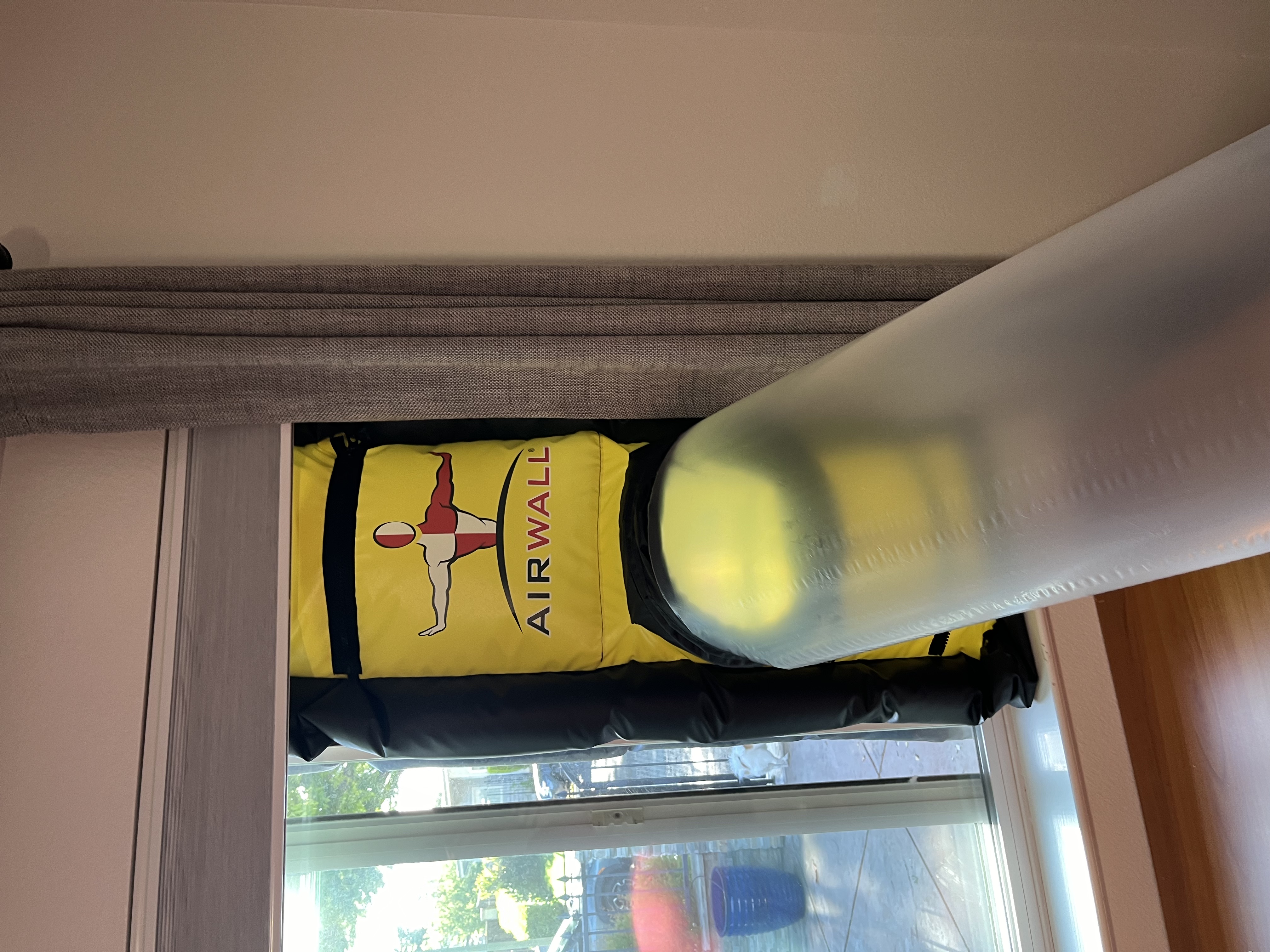
When interviewing restoration companies, ask specifically about their containment approach. A contractor who uses reusable, professional-grade containment systems like AIRWALL® demonstrates a commitment to doing the job right. These systems are designed specifically for restoration and construction environments—providing faster setup, better containment integrity, and a more professional appearance than disposable plastic barriers.
You can learn more about professional containment solutions at https://www.zeppelinguys.com/store.
Questions Every Homeowner Should Ask Before Hiring
To help you evaluate restoration contractors effectively, here are the key questions you should ask during the interview process:
1. Are you licensed, insured, and certified for this type of restoration work?
Request proof of current licensing and insurance, and ask about specific certifications related to your project (water damage, mold remediation, etc.).
2. Can you provide a detailed written estimate and scope of work?
A professional restoration contractor will provide a clear, itemized estimate that outlines exactly what work will be performed, what materials will be used, and how long the project will take.
3. How will you protect unaffected areas of my home during restoration?
This is where you'll learn about their containment strategy. Look for contractors who use professional containment systems rather than relying solely on plastic sheeting and tape.
4. What equipment will you use for drying, air filtration, and moisture control?
Professional restoration requires professional equipment. Ask about the specific tools and technology they'll use—including air movers, dehumidifiers, air scrubbers, and moisture meters.
5. How will you handle insurance documentation and communication?
Many homeowners work with insurance companies to cover restoration costs. A good restoration contractor should be experienced in working with insurance adjusters and providing the documentation needed for your claim.
6. What is your timeline for completion, and what could cause delays?
Understanding the expected timeline—and potential complications—helps you plan accordingly and sets realistic expectations.
7. Will the same team be working on my home throughout the project?
Consistency matters. Knowing who will be in your home and that the same trained professionals will handle the entire job provides peace of mind.
What Professional Restoration Should Look Like
When the right restoration contractor arrives at your home, you should notice certain things that signal professionalism and competence:
- Clean, clearly marked equipment and vehicles: Professional restoration companies maintain their equipment and present themselves professionally
- Detailed initial assessment: Before work begins, a thorough inspection and assessment should be conducted and documented
- Clear communication: You should receive regular updates on progress, any findings, and next steps
- Respect for your home: Restoration professionals should use floor protection, wear booties or shoe covers, and treat your property with care
- Proper containment setup: The work area should be clearly sealed off with professional-grade barriers that maintain their integrity throughout the project
- Organized jobsite: Even during demolition or intensive work, a professional restoration team keeps the jobsite as organized and clean as possible
How Modern Containment Systems Reflect on Contractor Quality
Here's an insider detail most homeowners don't know: the containment system a restoration contractor uses often reflects the overall quality of their work.
Contractors who invest in reusable containment systems like AIRWALL are making a statement about their commitment to professional standards. These systems cost more upfront than plastic and tape—but they deliver better performance, faster setup, and more reliable containment throughout the restoration process.
When you see a restoration contractor using modern, reusable containment, it signals:
- Investment in quality: They're willing to invest in professional-grade equipment
- Experience and expertise: They understand the importance of reliable containment and negative air pressure control
- Efficiency: They value speed and reliability, which means your project will progress more smoothly
- Professionalism: They care about how their jobsite looks and how they're perceived by clients
By contrast, contractors who rely exclusively on disposable plastic containment may be cutting costs in ways that could affect the quality of your restoration work.
Red Flags During the Restoration Process
Even after you've hired a restoration contractor, stay alert to warning signs that the work isn't meeting professional standards:
- Containment that's constantly failing or being repaired: Frequent tape repairs and sagging plastic barriers indicate inadequate containment
- Lack of air filtration or negative pressure equipment: Proper restoration requires controlled airflow—not just barriers
- Unwillingness to answer questions or provide updates: Professional contractors welcome questions and provide clear communication
- Rushing through steps or skipping moisture testing: Thorough restoration takes time—shortcuts today can mean problems tomorrow
- Messy jobsite with debris spreading beyond the work area: This indicates poor containment and lack of professionalism
If you notice these issues, address them immediately with the project manager or company owner.
The Bottom Line: Choose a Restoration Contractor You Can Trust
Hiring a restoration company is about more than just fixing visible damage—it's about protecting your home, your health, and your investment for the long term. The right restoration contractor will have the credentials, experience, and equipment to handle your project professionally from start to finish.
Pay special attention to how they approach containment. Professional restoration contractors understand that proper containment isn't optional—it's essential for preventing cross-contamination and protecting your home during the restoration process. Contractors who use advanced containment systems demonstrate a commitment to doing the job right.
When you're evaluating restoration companies, ask the tough questions, check references, and trust your instincts. A restoration contractor who takes the time to explain their process, uses professional-grade equipment, and treats your home with respect is worth the investment.
To see examples of professional-grade containment systems that top restoration contractors rely on, visit https://www.zeppelinguys.com/store.
Final Thoughts: Your Home Deserves Professional Restoration
Water damage, mold remediation, fire restoration—these aren't DIY projects, and they're not situations where "good enough" is acceptable. Your home deserves a restoration contractor who has the training, tools, and integrity to restore it properly.
By knowing what to look for, asking the right questions, and paying attention to the details that separate professional contractors from the rest, you can make a confident decision when hiring a restoration company.
Remember: the containment system a contractor uses, the equipment they bring to the job, and the way they communicate throughout the process all tell you something about the quality of their work. Choose a restoration professional who demonstrates excellence in every detail—because your home's recovery depends on it.


.png)