
How to Build a Negative Pressure Containment Setup (Without Plastic and Tape)
When restoration and remediation work gets underway, containment isn’t optional — it’s the foundation of a safe, professional jobsite. One of the most common questions we hear is:
At AIRWALL®, we built our containment systems to do exactly that. Our reusable containment solutions help restoration professionals create and maintain differential pressure environments without the headaches of traditional methods. We rely on air pressure, compression, and friction — not physical attachments — to help you build a more reliable containment space.
Below is a practical overview of what negative pressure containment is, why it matters, and how we approach it using AIRWALL systems.
What Is Negative Pressure Containment?
Negative pressure containment means maintaining lower air pressure inside the work zone than the surrounding “clean” areas. When done correctly, airflow moves into the contained area — helping prevent contaminated air and particles from drifting outward.
We emphasize this because continuous negative air pressure helps prevent cross-contamination during remediation work, and turning off air movement removes that protective barrier.
Why “Plastic + Tape” Containment Often Falls Short
Plastic containment methods can work in a pinch, but on real job sites they’re often time-consuming and unreliable. Plastic may sag or tear. Tape may fail. And small gaps can turn into leaks that compromise your pressure control and spread contaminants.
Our approach is different: AIRWALL containment is designed to be fast to deploy, durable, and reusable, which means crews spend less time rebuilding barriers and more time doing the work that matters.
How We Build a Negative Pressure Setup with AIRWALL
The best negative pressure containment isn’t about “one product” — it’s about combining a properly sealed barrier with the correct airflow plan. Here’s the general process we recommend:
1) Define Your Containment Zone First
Before you install anything, establish:
- the full work area
- where equipment will be placed
- how crew entry/exit will work
- where air will be exhausted
This helps avoid rushed changes mid-project — which often leads to compromised containment.
2) Deploy a Reusable Barrier That Holds Pressure
Our containment system is designed to seal work areas and support differential pressure setups without physical attachments. AIRWALLs are engineered to rely on air pressure, compression, and friction, which helps them maintain high-performance containment.
In fact, we note that AIRWALLs can outperform plastic containment by 200–400% when it comes to holding negative pressure — and we do that without attaching to the building.
3) Establish Airflow and Exhaust
Once the containment barrier is in place, you’ll set up air movement so the contained area maintains lower pressure than surrounding spaces. Maintaining airflow is key — because continuous negative air pressure supports containment effectiveness and reduces cross-contamination risk.
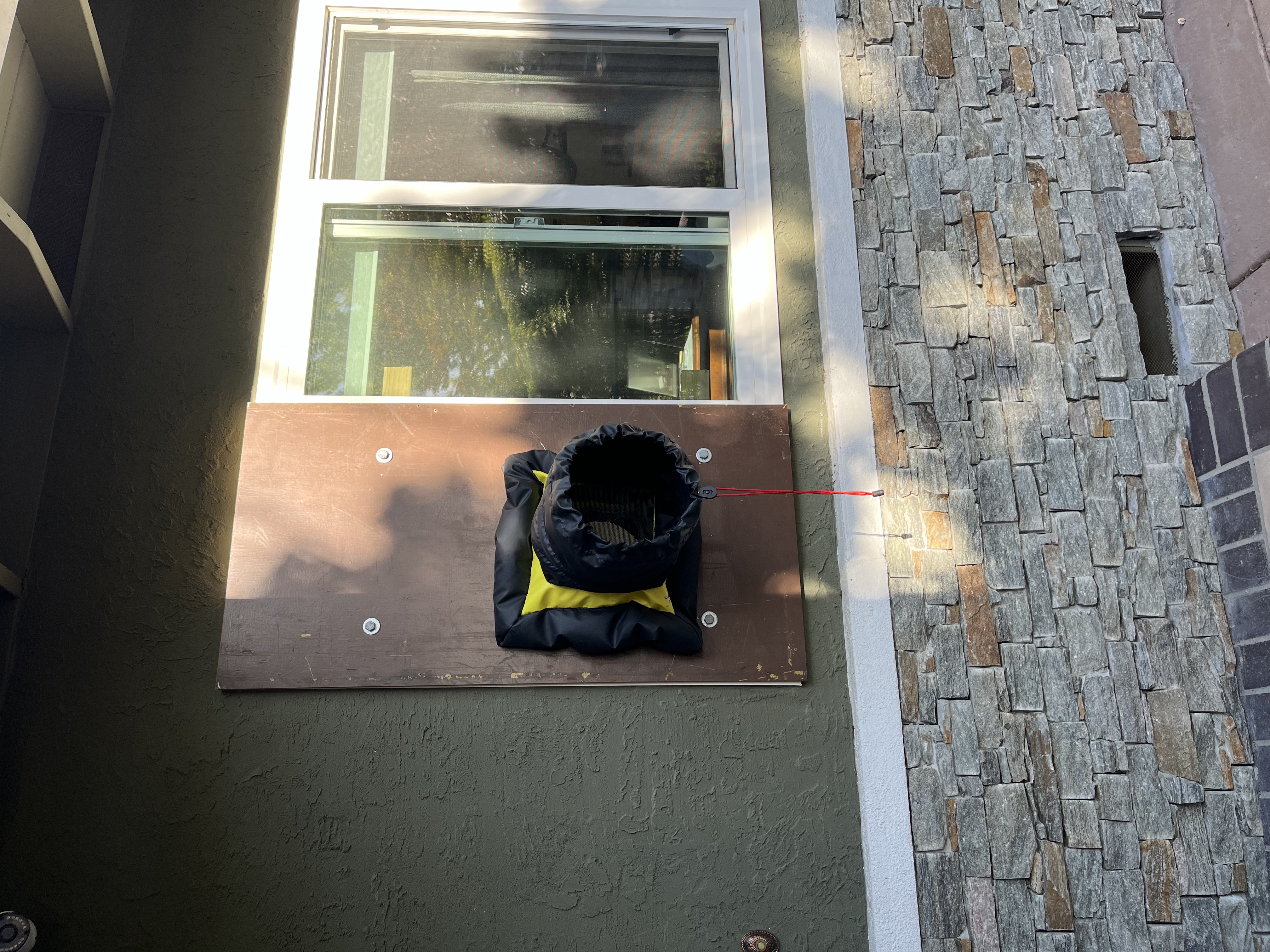
If your setup requires controlled exhaust through a window opening, we also offer dedicated components designed to help enable that kind of efficient air circulation or negative pressure environment.
4) Test and Maintain Continuous Performance
Containment isn’t “set it and forget it.” Once the space is running, verify that containment remains stable and that airflow is continuous. Turning off equipment eliminates the barrier effect of negative air, which can allow airborne contaminants to migrate into clean areas.
Why We Focus on Differential Air Pressure Containment
We built AIRWALL systems to support restoration, remediation, and environments that require professional-grade control of air movement. Our differential air pressure containment approach helps teams work more safely, reduce cleanup, and move on to the next phase faster.
If you want a deeper breakdown of how AIRWALL supports negative pressure setups, we cover that in detail here: Your Complete Guide to Negative Pressure Containment with AIRWALL
Takeaways
Negative pressure containment is one of the most effective ways to prevent cross-contamination — but only when the barrier actually holds and airflow stays consistent. That’s exactly why we engineered AIRWALL systems: to make containment faster, more reliable, and reusable — without plastic and tape dominating the process.

.png)