
AIRWALL® Containment Solutions
The AIRWALL® product family for complete environmental control in all applications are adaptable, easy-to-install, remove and store, saving considerable time and money.
construction barriers reimagined
No more plastic, poles and tape. AIRWALLS® are inflatable, reusable walls, doors and accessories for a clean, quiet, safe and climate controlled workspace
The Problem
Our Solution
Bad containment
Many window sizes & styles
Sealing doorways efficiently
Loud construction tools & machines
Irregular surfaces in the attic & crawlspace
Ducting but no connectors or fitting
Leaky containments and failed clearance

Unchanged for decades
There really are three types of containment, source, local and full. Source is pretty easy and generally well suited to the current methods and materials but, local and full containment are much more difficult. These more advanced forms of containment use tape, poles, structural framework, staples, adhesives, etc. It is in everyone’s best interests to eliminate these things but until now that has simply been out of reach. For decades containments have relied almost exclusively on consumables/disposables, have required specially trained personnel, too often required ongoing repairs and were often responsible for cross contamination and unnecessary collateral damage to otherwise unaffected finishes.
good, bad & theater containment
The Problem
Our Solution
Good containment is rare
Consistent, repeatable and adaptable
Bad containment is common
Reliable high performance design and materials
Containment theater is more common than the first two combined
Simple modular application of SOP's, best practices and norms
High labor and materials costs
Efficiency through labor, energy and materials savings
Plastic, poles, tape, staples, adhesives & prayers … for decades
Physics over hardware because things like gravity always work
Construction barriers evolved
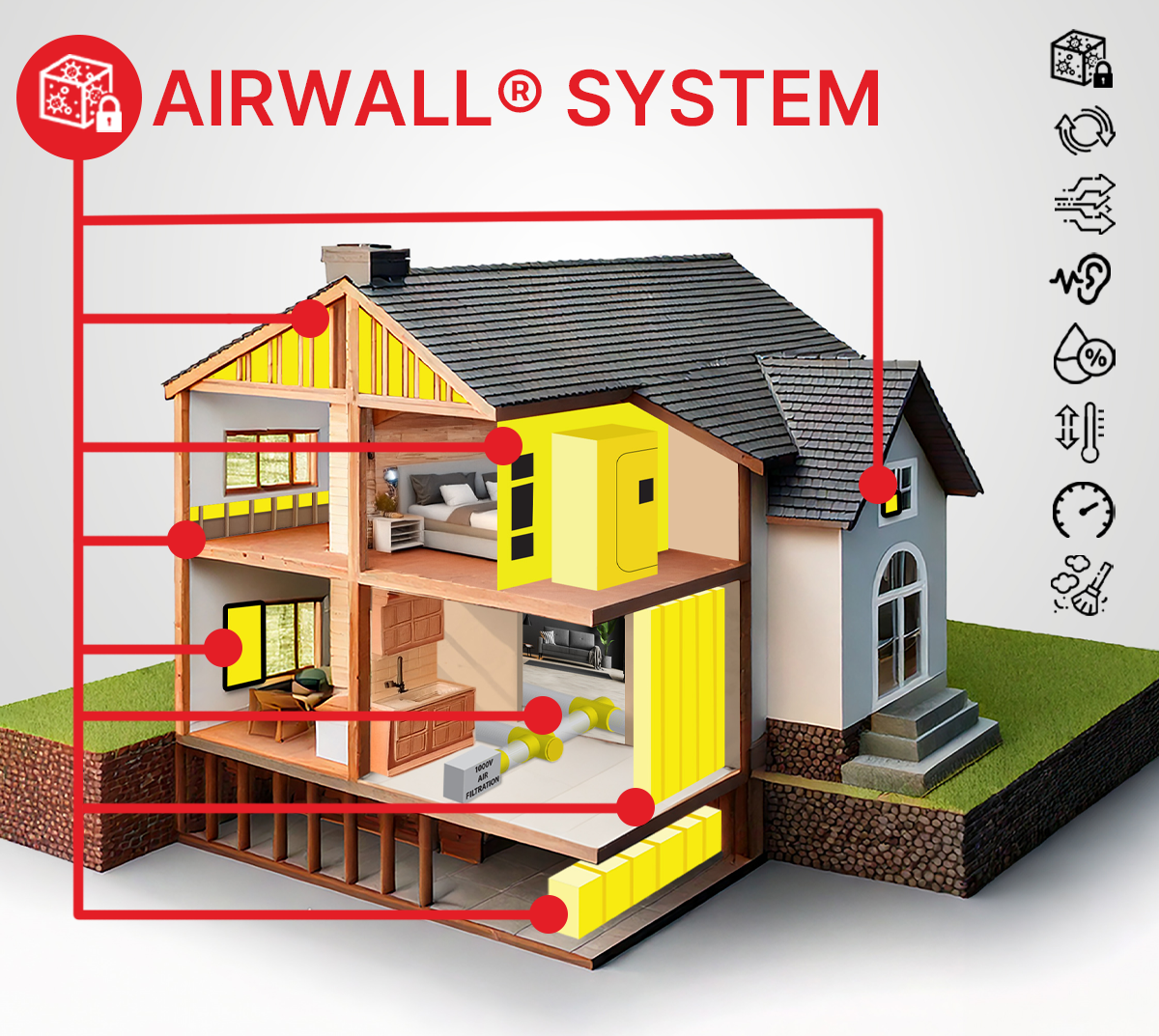
We offer products that can create ultra high performance containment in an entirely new way. Using air pressure from either a constant source like an air mover or NAM, or by inflating low pressure air bladders housed inside a durable outer shell, AIRWALLS® use basic physics to make set up fast and reliable. AIRWALLS® make it possible to set up quick and reliable differential pressure containment, under, over or inside a commercial or residential building. AIRWALLS® can provide rapid local or full containment in doorways, in any room with 8-10 foot ceilings, t-bar and “pop corn” or acoustic ceilings. As a reusable, inflatable and modular ecosystem of products, AIRWALLS® pay for themselves within 5-7 uses. Combined with a unique branding opportunity, sound abatement, thermal resistance and an impressive physical presence, the AIRWALL® line up will move your containments from the cost side onto the profit side of your ledger. Stop being reimbursed for containment and start getting paid for it!.

So many points of failure
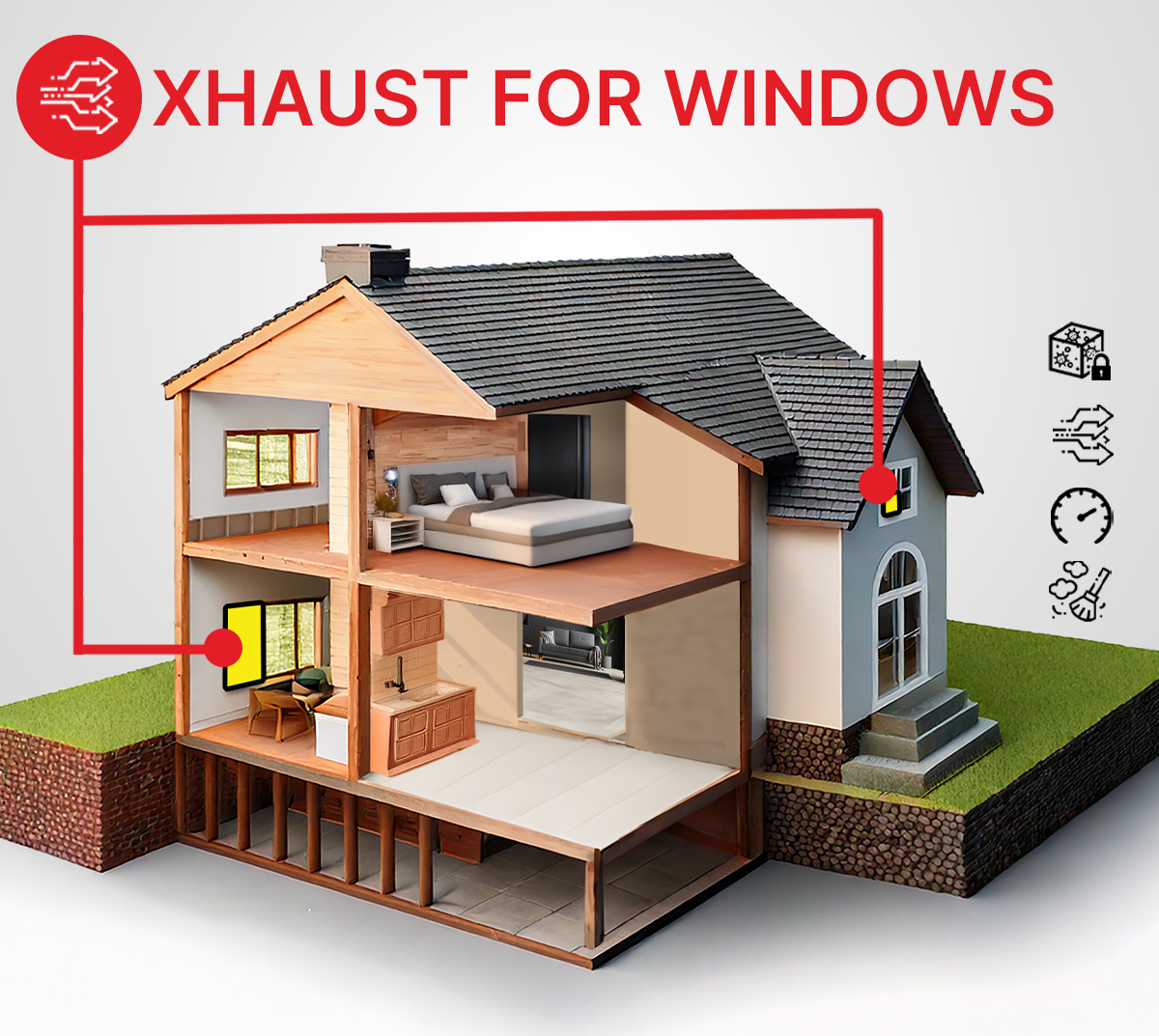
When setting up an air discharge system to create negative air pressure for remediation or general dust control, the challenge often begins with the variety of window sizes and styles found in buildings. Each window presents unique framing, shapes, and delicate finishes both inside and out that must be carefully protected during installation. The setup must balance airtight sealing with minimal disruption to the structure or appearance, requiring a thoughtful and adaptable approach.
Security concerns also play a role, as temporary openings for exhaust systems can make properties vulnerable if not properly secured. The presence of different types of glass adds another layer of complexity—both in handling fragile panes and ensuring no cracks or damage occur under pressure or vibration. Many temporary sealing solutions involve plastics, wood, or other single use materials that unfortunately generate waste and are rarely reusable after a project ends. Because precision is critical, skilled labor is essential to install and dismantle the setup safely and effectively. This despite the general absense of well trained and experienced technicians.
Negative Air Discharge
The Problem
Our Solution
So many sizes & styles of windows
Three different sizes available
Delicate finishes inside and out
Modular design for the larger and the in-between sizes
Security concerns
Compatible with security board up scenarios
GLASS!
Poses no risk to the glass
Plastic and/or wood waste
Easy Installation, No consumables
Skilled labor to install
Won’t damage the surfaces of the building
Non-reusable materials
Reusable for 10+ years
Why wing it?
In contrast to the challenges typically encountered with traditional setups, the use of a standardized air discharge system available in three different sizes offers a far more efficient and predictable solution. The modular design accommodates not only the largest openings but also the in-between sizes that often require improvised fittings on conventional projects. This adaptability allows for a precise, airtight seal without the need for custom cutting or on-site modification. Moreover, the system’s compatibility with standard security board-up scenarios ensures that properties remain protected throughout remediation efforts, even when long-term ventilation or containment is required.
Unlike traditional temporary assemblies that risk damaging fragile finishes or glass, this system poses no risk to window panes or building surfaces. Its easy installation eliminates the need for consumable materials such as plastic sheeting, tape, or wood framing—reducing both setup time and waste. The durable, reusable construction is designed to last for over a decade, offering consistent performance across multiple projects. This not only minimizes environmental impact but also addresses the shortage of skilled labor, as the system’s simplicity allows for safe and reliable installation by technicians with limited specialized training.
A tough situation made worse
If a homeowner shuts off the drying or negative air equipment for eight hours—such as overnight because they can't sleep—the overall drying time increases significantly. Because drying is a continuous process, any interruption slows down moisture removal from both the air and building materials. In practical terms, shutting the system down for one-third of the day can extend the total drying time by 30–40%. What might normally take three days could now take five. This delay doesn’t just add inconvenience; it raises costs, prolongs disruption, and increases the risk of secondary damage like microbial growth or structural deterioration. It’s an unfortunate outcome for everyone involved—the homeowner, the contractor, and the insurer alike.
In more serious situations, such as mold, asbestos, or lead remediation, shutting off the negative air machine can have even greater consequences. The ANSI/IICRC S520 standard emphasizes that maintaining continuous negative air pressure within a containment area is critical to preventing cross-contamination. Turning off the equipment removes that protective barrier, allowing airborne contaminants to escape into clean areas. This not only jeopardizes the effectiveness of the remediation but can also create new health and safety risks. While this scenario is less common during abatement than during a dry down, it does happen—and when it does, it often results in additional cleanup, higher costs, and potential exposure concerns that could have been avoided by simply keeping the equipment running.
Sound Mitigation & Control
The Problem
Our Solution
Restoration & construction processes are loud
People turn off the machines to get sleep
Construction noises that sound like they are coming from the neighbors house, not from the next room over
Costs soar with increases in demo & buildback
Drying takes much longer
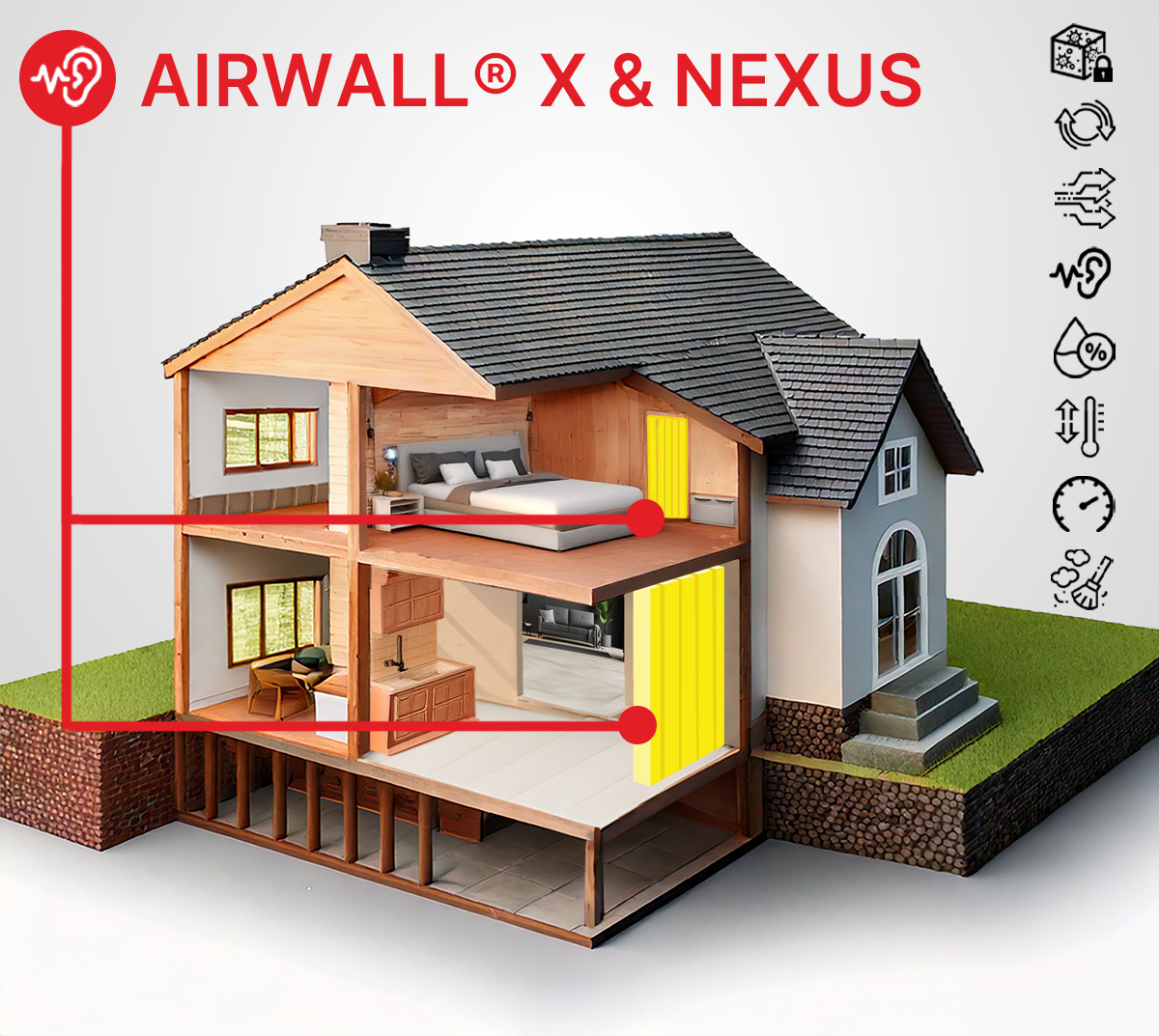
An AIRWALL® X has been measured at 8 db attenuation, or similar to a high quality interior door
Cross contamination becomes much more likely
Mental health suffers
Secondary damage becomes much more common
The AIRWALL® NEXUS has been clocked in at 15db with one unit dropping the decibel level from 75 to 60. That is nearly 97% of the noise removed. If the user doubles the barrier then that number increases to 25db, from 75 to 50, effectively removing 99.7% of the noise!
Shelter in the storm
Sleep is a cornerstone of mental health, yet during a restoration event it often becomes a rare luxury. The continuous drone of drying and filtration equipment can make rest feel impossible, compounding the exhaustion and anxiety that already come with loss and disruption. The stress of navigating damage, displacement, and uncertainty only grows when there’s no quiet space to retreat to—when the noise itself becomes another form of pressure.
But just as the leeward side of a structure is shielded from the force of the wind, a bit of thoughtful protection can make all the difference. In the midst of chaos, creating even a small buffer—a place of calm away from the constant hum—can help restore a sense of safety and control. This shelter from the noise doesn’t stop the work or slow recovery; instead, it supports it. When calm is preserved, both the structure and the spirit have a better chance to recover.
Tiny drawstring, monster hold
Traditional containment setups often rely on tape, improvised hardware, and awkward ducting angles. These methods slow down setup time, create safety hazards, and increase cleanup work at the end of a job. The constant need to replace tape and patch leaks leads to wasted labor and higher costs.
With every project, these inefficiencies pile up. Crews are left dealing with poor airflow, messy tear-downs, and unnecessary risk—costing valuable time when speed and safety matter most.
Decontaminating negative air machines that have been connected to mylar ducting with wire reenforcement very often ends with cuts, scrapes and punctures from the exposed wire. Using a Connex completely eliminates that hazard.
Minimal effort, maximum Airflow
The Problem
Our Solution
Tape is slow and unreliable
Create fast, secure connections without using tape, reducing setup time and eliminating messy tear-downs
Setups waste time and labor
Works seamlessly with lay flat, coiled, or rigid ducting, giving maximum flexibility on the job
Trip hazards reduce safety
Compact, clever design makes it easy to transport and store while it's low weight makes it easy to install overhead
Decon is messy and inefficient
Speeds up decontamination by allowing safer, cleaner disconnects with no tape residue or sharp wires
Move air better
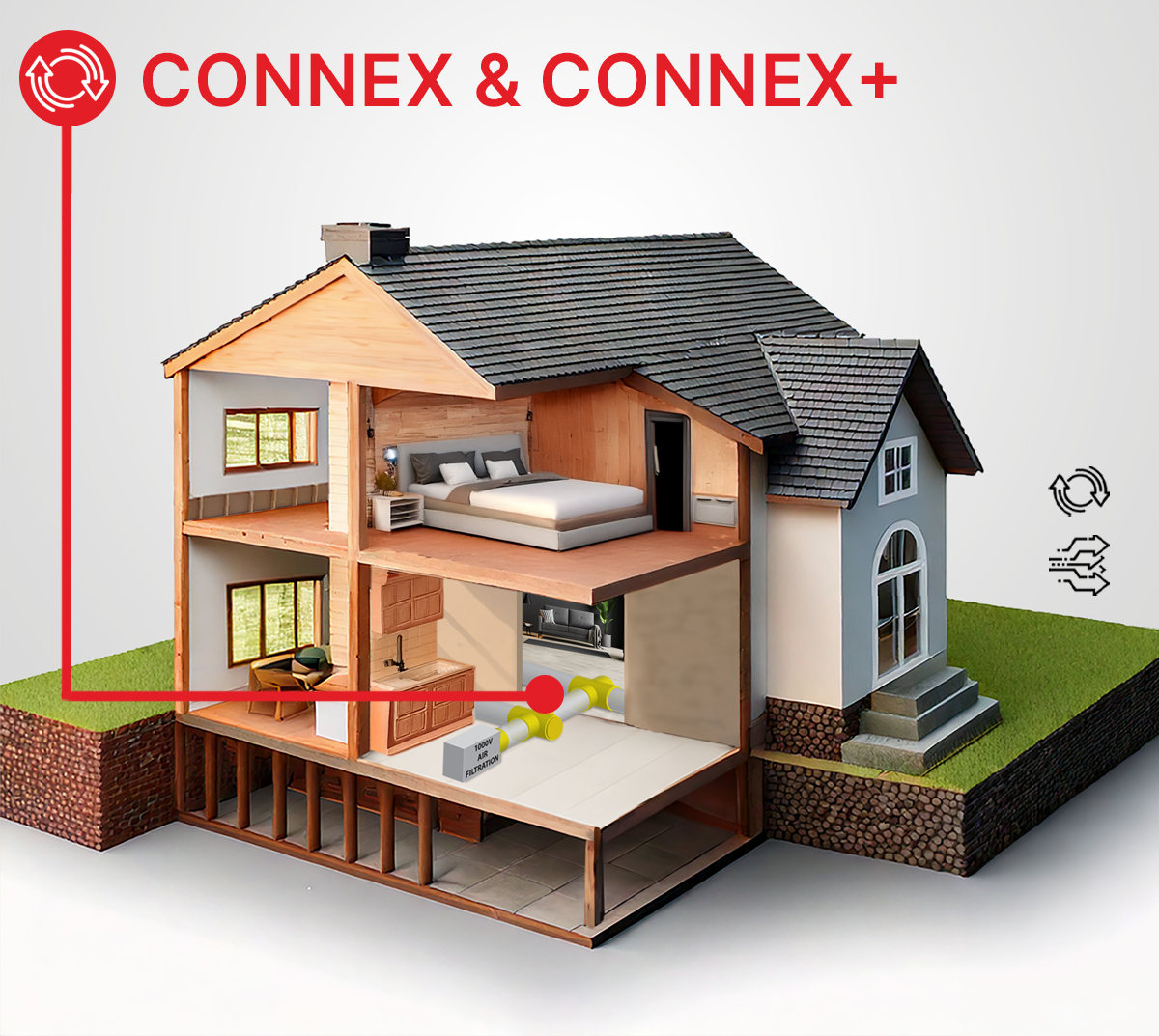
AIRWALL® Connex and Connex+ replace outdated methods with a smarter, cleaner, and more versatile system. Their clever design allows quick attachment to virtually any machine and duct type without the need for tape. That means faster setups, safer worksites, and a professional-grade finish every time.
Both Connex models are built tough for jobsite realities—handling up to 2000 CFM with ease, fire-rated and UV resistant, and reusable for years. Whether you need to branch lines, run overhead, or maximize airflow, the AIRWALL® Connex system delivers unmatched efficiency and performance.
Clipping a simple Connex to every negative air machine means that they don't get lost, they are immediately on hand to connect to whatever ducting is required for the job in front of you. Returning the unit to its storage bag, clipped to the machine, ensures that it is there and ready to use the next time.
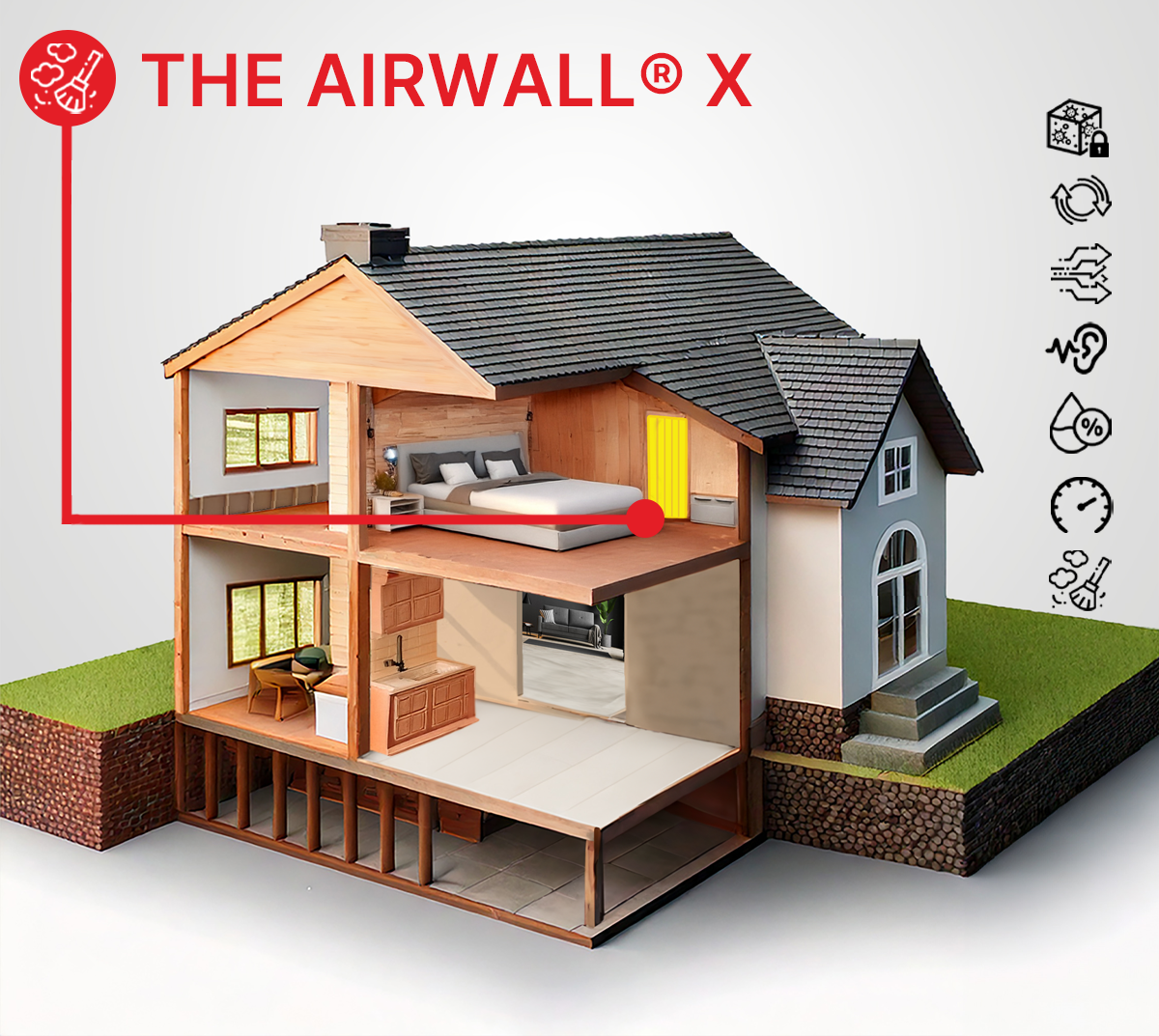
Seal & Control Doorways
Our products are like pillows on the buildings delicate surfaces. Wherever our products can damage the building they are durable but soft, wherever the building can damage our products, mostly in the form of sharps on the floors, we build them stronger.
Highly textured walls, oily paint, high humidity, bad tape or poor technique can all prevent proper adhesion. This can cause partial or complete failures of the containment.
Machines are loud, and occupants will turn them off to sleep. This completely stops the drying process. A barrier that reduces that sound encourages the building occupant to let the machines run and do their work.
The Problem
Our Solution
Plastic waste
Reusable, No tape failures
Tape that won’t stick
Gentle on the building finishes
Peeling paint and damaged mill work
Designed for residential 80″ doors from 26″ to 36″ wide
Excessive noise
8 db of noise attenuation
Zippers that jam and are never big enough
No zippers to jam, Easy pass through
Nosy customers
Discourages constructions tourism
Indoor climate stability
Climate control for carpet cleaners
Cross contamination
Easy negative, positive or neutral air pressure containment
Easier than a zipper, a technician only needs to move the barrier aside to pass people, equipment or debris to the other side. In the case of larger items, like a bathtub for example, where the contractor would have to remove the traditional plastic barrier completely and then either reconstruct it or try, often in vain, to reapply the same barrier, the contractor can simply remove the AIRWALL® X and reinstall with no loss in time or materials.
Not only do the owners or occupants often wander through a working job site, endangering them and your crews, they also shut off equipment at night. This barrier discourages this more than a zipper.
It is additionally well suited for carpet cleaning with a truck mount. Keep the heat, the cool, the cat, the dog and the kids inside while you run your hoses past this impressive barrier.

Big Problems Need Big Solutions
Loaded with features, the AIRWALL Xpress was the first AIRWALL. It existed before the names AIRWALL or Zeppelin. It was borne of necessity, it was borne from pain.
Keith, the co-founder and original inventor of the Xpress, found himself struggling to construct a drying chamber in a very small crawlspace, on one of the hottest summer days in 2017, where even the crawlspace wasn’t that cool. He was bitten by a spider, spent 3 hours acquiring way too many bruises from the rocky soil and at the end of it he had a cobbled together entirely improvised drying chamber.
It looked terrible, had more leaks than the government and it was wasteful of both time and materials, but it was also necessary. Despite the warm days, the team was struggling to dry the subfloor. It occurred to Keith that if they were struggling on hot summer days in California, how much worse must it be in colder climates. There had to be a better way.
It's a barrier, it's a manifold, it's Superior!
The Problem
Our Solution
Crawlspaces are open to mother nature so isolation is key
Sectioning off of a climatically unregulated space
Hauling air movers and dehus in very tight spaces
Works with most air movers including the low profile ones
Drying above an intact ceiling
Creating a drying chamber while preserving the living space below
Irregular surfaces at the subfloor and on the ground
Creating a drying chamber in a very irregular space
Controlling for a cross contamination when dealing with HVAC work
HVAC maintenance and repairs isolation
Attics are hot so being able to cool them down is mission critical
A quick and easy to deploy barrier that is lightweight and intuitive
Difficult to dry, thick subfloors and wet dirt
An efficient drying manifold
Efficiency³
LGR ( Low Grain Refrigerant ) dehumidifiers have an optimum operating temperature of between 70° and 90°F. Therefore, remediation in an attic space, with supplemental cooling, is critical not just for the comfort, health and performance of the work crews, but to maximize the efficiency of the equipment and dry down the space ASAP.
Efficient drying depends on volume reduction and isolation from the vagaries of weather. An effective barrier that does both means fewer machines for fewer days and a dramatic reduction in secondary damage.
An Xpress, with a little preparation outside of the crawlspace, can be deployed in the smallest of crawlspaces all the way up to 24+ inches by simply flipping a switch. Using the air from the air mover that powers it, an Xpress will roll out and send up to 5 sections of layflat perpendicular to itself, creating both an effective barrier and a dynamic drying manifold that can target the ground and the subfloor. This means your crews won't have to drag as many machines into the crawlspace making them and the process far more efficient.
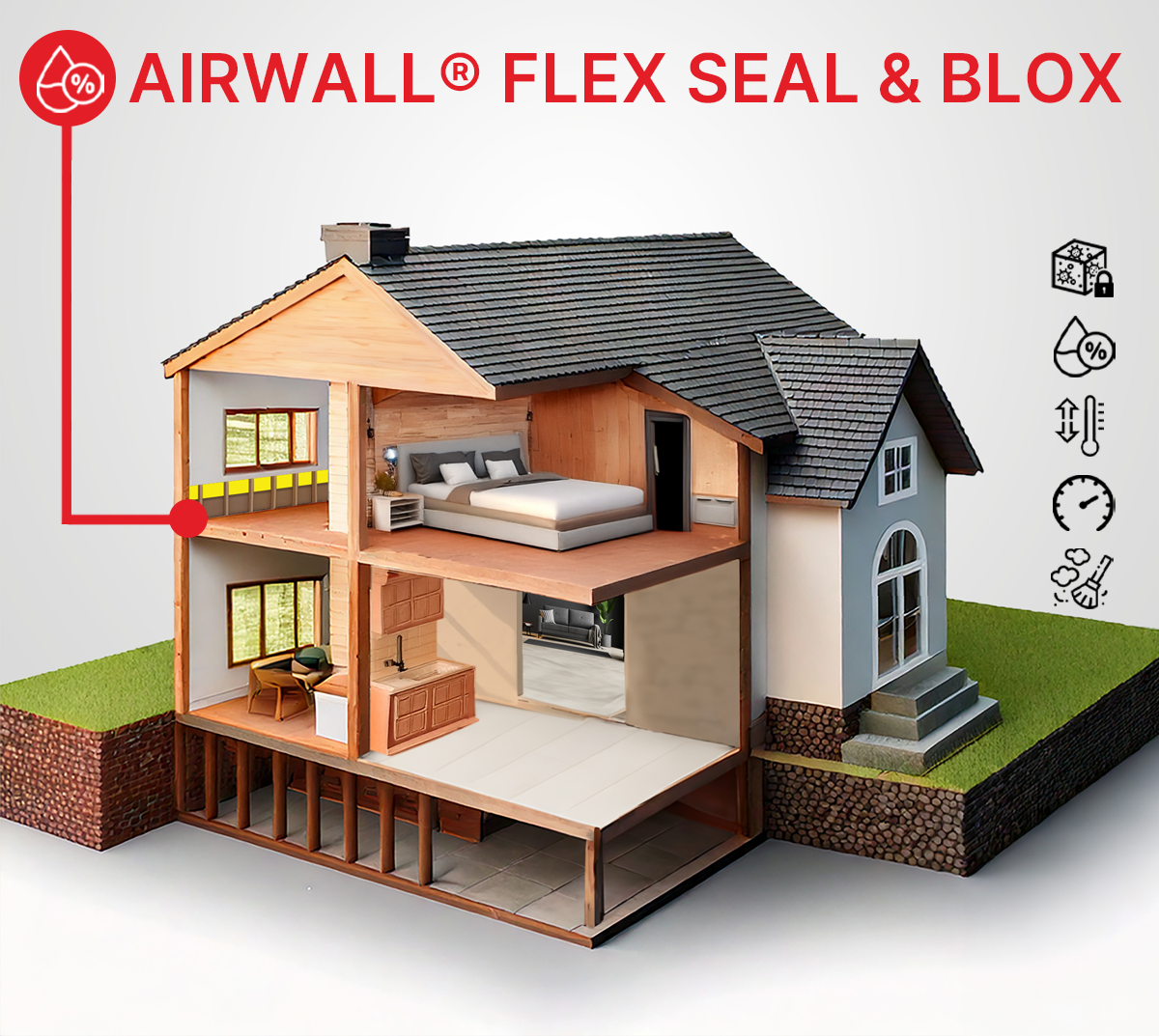
The AIRWALL® Flex Seal
As a matter of course, a proper mitigation will require an air quality clearance test to confirm that the undesirable contaminants have been thoroughly removed. In the case of flood cuts, which are exceedingly common for mold mitigation, each opening (stud bay) is a potential super highway of cross contamination especially when constructed with metal studs. Negative pressure will seek equilibrium and that can often mean sucking in potentially contaminated make-up air from the attic space above.
Each stud bay is also a potential air leak. Leaks in the room that must be contained makes creation of stable and suitable negative air more difficult. It’s like sucking a liquid through a straw that has a hole in it.
“Diapering the hole” or “making shelves” uses plastic and tape that has to be shaped and properly adhered to each individual stud bay. This process is imprecise to the point of sloppy and thus minimally effective and to add insult to injury it looks terrible too.
The process of cutting plastic to size and attempting to seal all four sides of each bay when the tape has to adhere equally well to a painted surface, the back of drywall and to bare wood is tedious at best.
Critical Barriers
The Problem
Our Solution
Failed clearance test after mitigation work
Zero plastic or tape
Sloppy and hacked together
Professional look
Unstable or difficult negative air
Perfect seal
Wasteful solutions
Reusable
Labor intensive solutions
Installation 50x to 100x faster
The Blox is Just Right
Once upon a time, in a house full of attics, ducts and ominous crawlspaces, there were openings everywhere—too big, too small, and some shaped like nothing anyone had seen before. The remediation team tried their plastic, their tape, their wood, but each was either too flimsy, too stiff, or too wasteful. Then they found the AIRWALL Blox—adaptable enough to seal a ten inch duct, flexible enough to fit the oddest angles, and big enough to fill a fireplace. It was, as Goldilocks might say, just right.
The Blox sealed vents, extended the Xpress and closed off those forgotten gaps that otherwise would have spoiled containment. No cutting, no patching, no waste—just a clean, airtight barrier that stayed put until the job was done. It didn’t shout or strain, it simply held fast, keeping the bad air out and the clean air in.
When the work was complete and the storm had passed, the team packed up the Blox and used it again on the next project. It was reusable, reliable, and ready for whatever odd space came next. And so, in a world of barriers that were always too much or not enough, the AIRWALL Blox became the perfect fit—every time.
Total Environmental Control
Chamber Drying
Chamber drying delivers speed, control, and measurable performance for every restoration project.
Differential Air Pressure Containment
Maintains balanced airflow between zones to control contamination and ensure clean environments.
Climate Control
Climate control keeps the restoration environment comfortable for occupants and workers.

Sound Mitigation
Sound mitigation protects hearing, comfort, and project efficiency; all at once.

Control Air
Delivers precise airflow for stable, efficient, and balanced environmental control.

airborne threat control
It’s not just compliance, it assures both health and air quality.

Humidity Control
Humidity control is the unseen safeguard behind every successful restoration.

Dust Control
Effective dust control shows professionalism, protects property, and preserves air quality throughout the project.

Save Time
Time efficiency means quicker recovery, uninterrupted progress, and a smoother experience for clients.

Save Money
Cost efficiency delivers measurable savings without compromising quality, maximizing value for every restoration project.


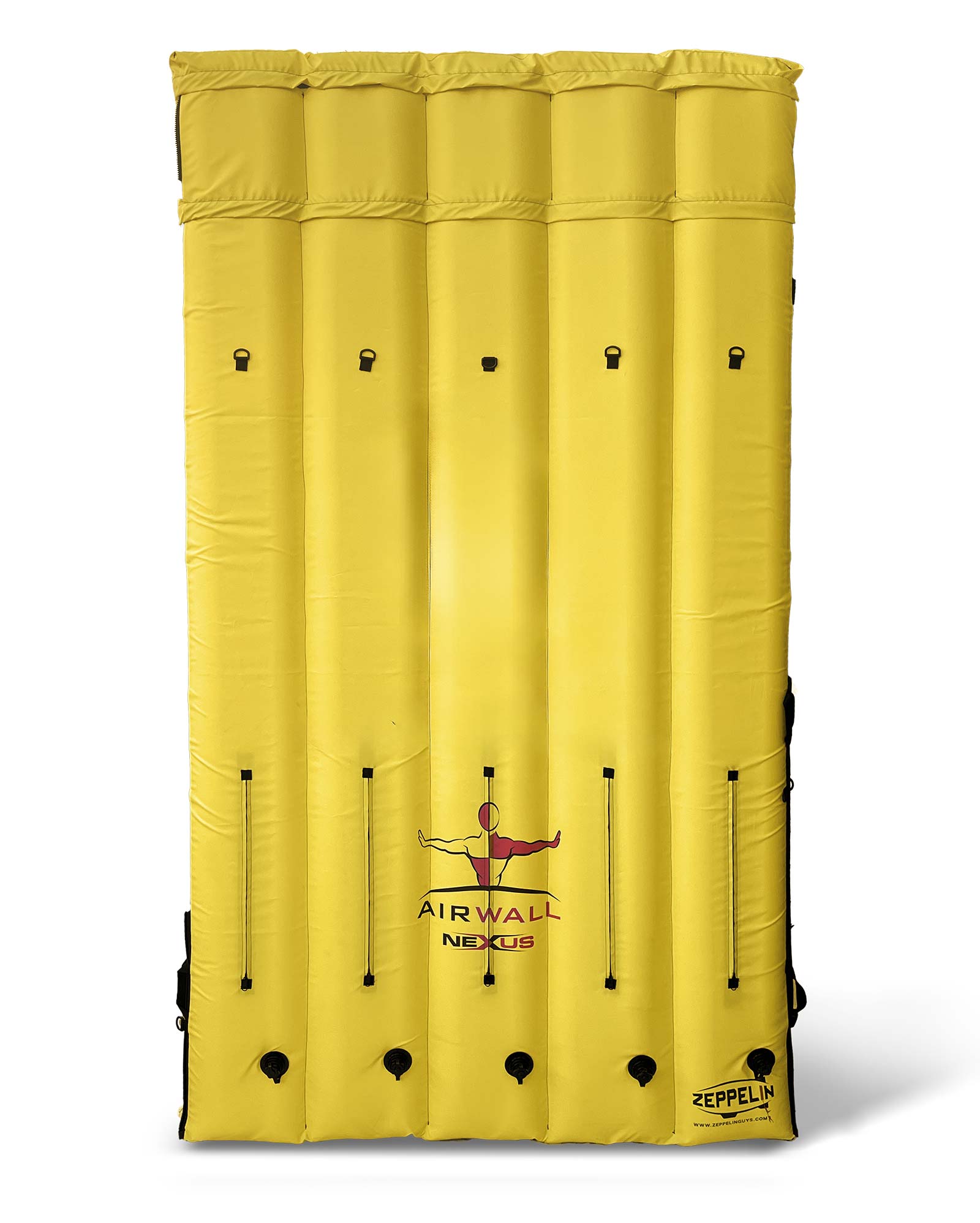

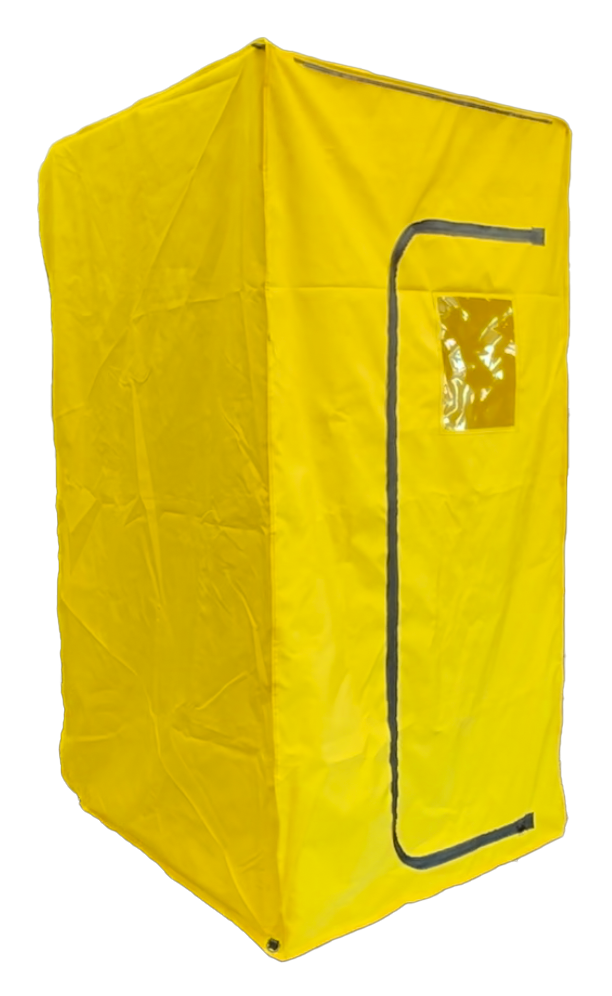
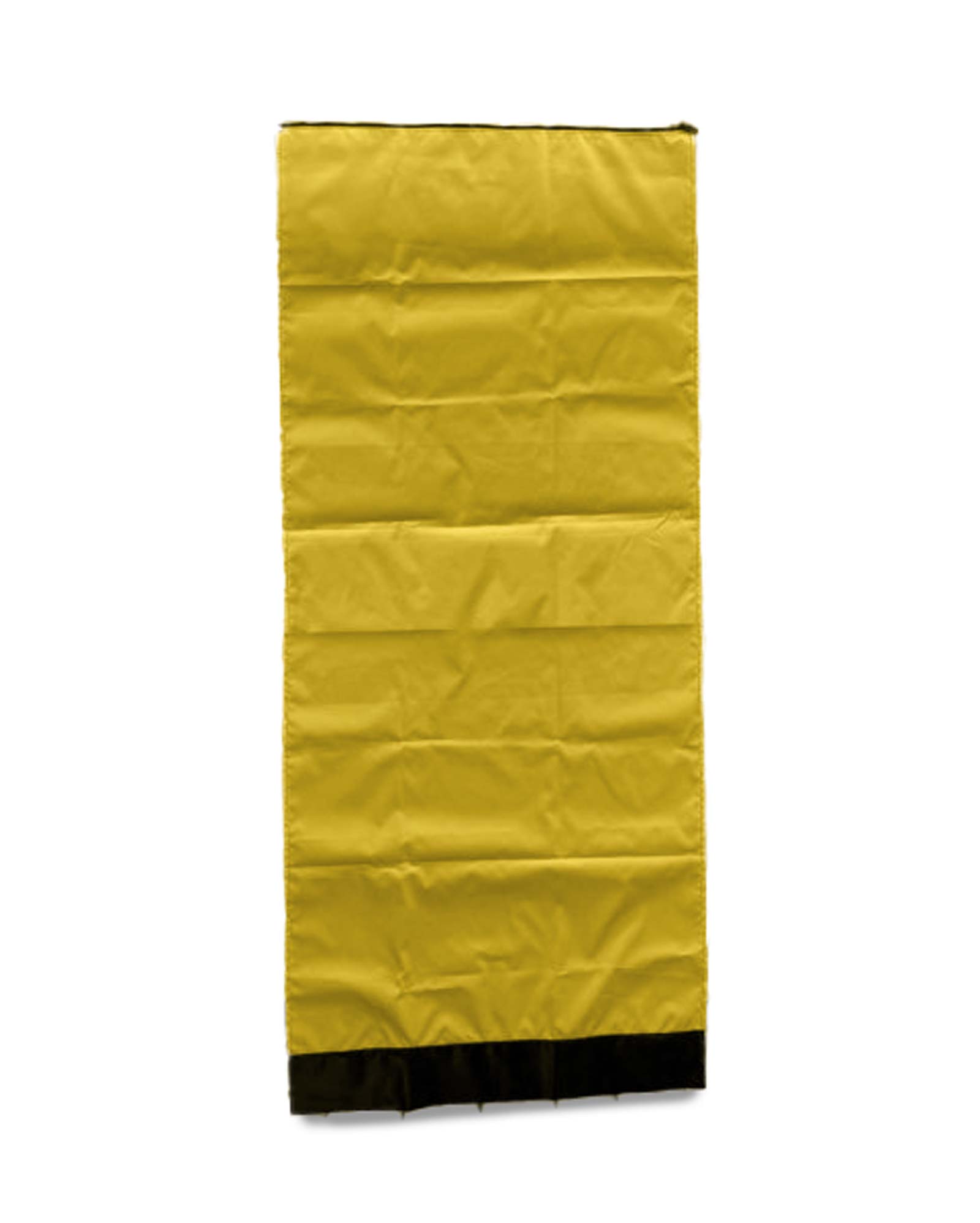

What We Can Control
Airborne – Dust, Allergens, Biological, Chemicals
Temperature – Insulates Like a 2x4 Wall
Sound – Attenuates 15db
Costs – Labor & Consumables
Messaging – Pure Physicality With Branding
Waste – Reusable

Quick Setup & Dismantling
The AIRWALL® system is designed for rapid deployment and removal.

No Layers of tape
AIRWALL® simplifies the process, reducing both labor and material costs.

Reuse & Reduce
AIRWALL®'s reusability makes it a cost-effective solution for any project.
Upgrade Your Containment Game
Get the tools you need to build faster, cleaner, and more reliable barriers. AIRWALL® products are designed to save you time and keep your job site spotless.


.png)